


December 4, 2025
Across Latin America, agricultural producers are embracing climate-smart technologies thanks to WIPO GREEN Acceleration Projects, which identify climate-relevant farmer needs and match them with green technology innovations. In 2025, the program's fourth phase enabled the adoption of various green technologies among diverse farming operations, from smallholders to large industrial producers.
“From smallholders to big, highly industrialized operations, most agricultural producers have one thing in common: they wait for proof before they move” said Lucia Aguirre Sanchez, Project manager, Climate Change and Food Security, at WIPO GREEN. “Our aim is to engage first movers to adopt green innovations in real life settings, so that more farmers can see that climate-smart solutions did work for others first”.
The fourth phase of the climate-smart agriculture Acceleration Projects in Latin America, funded by Funds-In-Trust Japan IP Global, was launched in November 2024 and is now coming to an end. A range of climate and other environmental challenges in agriculture were tackled across the value chain, from pest control to waste reuse.
It is the perfect time to celebrate WIPO GREEN partners and consulting organizations who built the trust that made adoption of green technologies possible on the ground. In 2025, WIPO GREEN engaged berry, tree fruit, and tropical crop producers across Argentina, Brazil, Chile, and Peru.
WIPO GREEN methodology of tailored identification of farmer needs in the field, and matchmaking with suitable green solutions, was carried out by Coralia Environmental in Argentina, Agrosuisse in Brazil, IALE Tecnología in Chile and BioActiva in Peru.
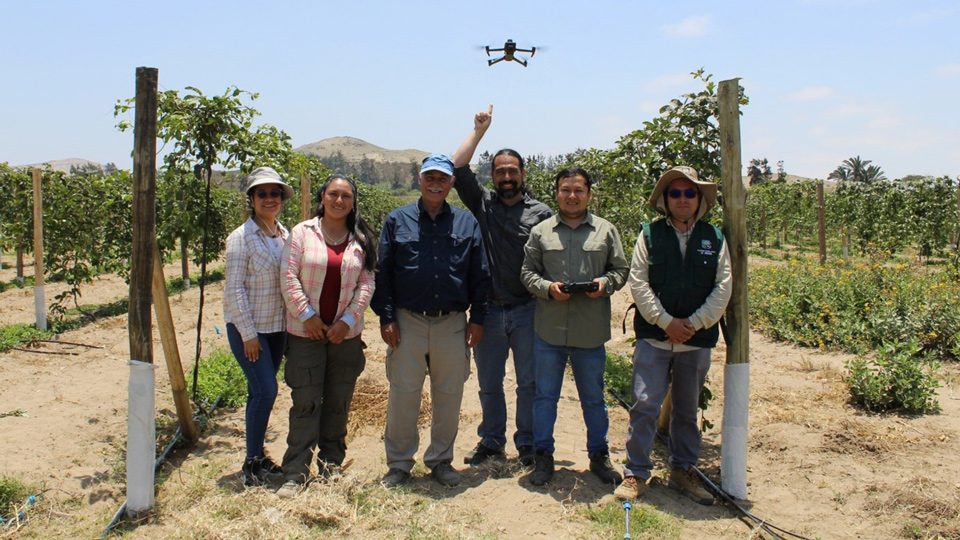
These efforts were seconded by our local partners: the National Institute of Industrial Property (INPI) and the Ministry of Foreign Affairs of Argentina, the National Institute of Industrial Property (INPI) in Brazil, the National Institute of Industrial Property (INAPI) of Chile and the National Institute for the Defense of Competition and the Protection of Intellectual Property (INDECOPI) in Peru. Together, this collaborative network has facilitated the adoption of climate-smart agricultural solutions by a range of producers from small holders and farming cooperatives, to consolidated and highly industrialized agricultural operations.
WIPO GREEN facilitated the adoption of two green solutions for pest management with low residue levels for strawberry production in Argentina: a microbial consortium for red spider mite control in Senillosa, Neuquén, and an RNA-based biocontrol against grey mold (Botrytis cinerea) in Coronda, Santa Fe.
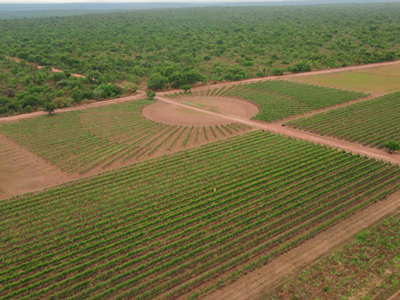
In Brazil, WIPO GREEN enabled the implementation of a green protocol for a large viticulture operation at Fazenda Trijunção, located at the cerrado region, in the west of the state of Bahia, where a six-month bioinput program is being implemented for soil health and fungal control. These agroecological technologies contribute to increasing the climate resilience of grape production.
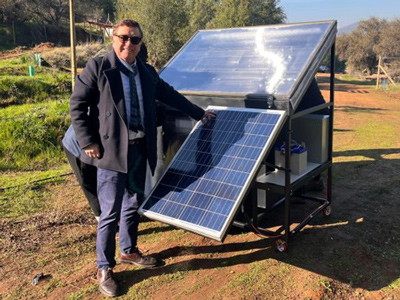
In Chile, WIPO GREEN facilitated four green solutions: biochar for organic fertilization using cherry tree pruning waste in Los Lagos, and bioinputs to improve soil health and cherry size in the O’Higgins region. In Valparaíso, two solutions were implemented: solar dehydration to valorize discarded fruits and vegetables, and biochar produced from avocado, walnut, and hawthorn tree biomass in Cuncumén.
WIPO GREEN facilitated the implementation of six green solutions across Peru. Solutions include coffee weed control trials with non-phytotoxic plant-based products, and cacao biocontrol with organic certified insecticides and fungicides. For passion fruit, control of fruit fly was addressed through pest management compounds and fly traps that do not harm beneficial insects, while drone-assisted crop traceability was tested. For blueberry production, a microbial bioinput program based on three Bacillus species was applied to improve soil health, and reduce dependance on chemical fungicide use.
As the fourth phase concludes in Latin America, WIPO GREEN celebrates the collaboration established with the consulting companies and local partners, which made these green technology adoptions possible. These projects have demonstrated that, by leading through example, climate-smart solutions can be successfully implemented across diverse agricultural contexts.