


June 18, 2026
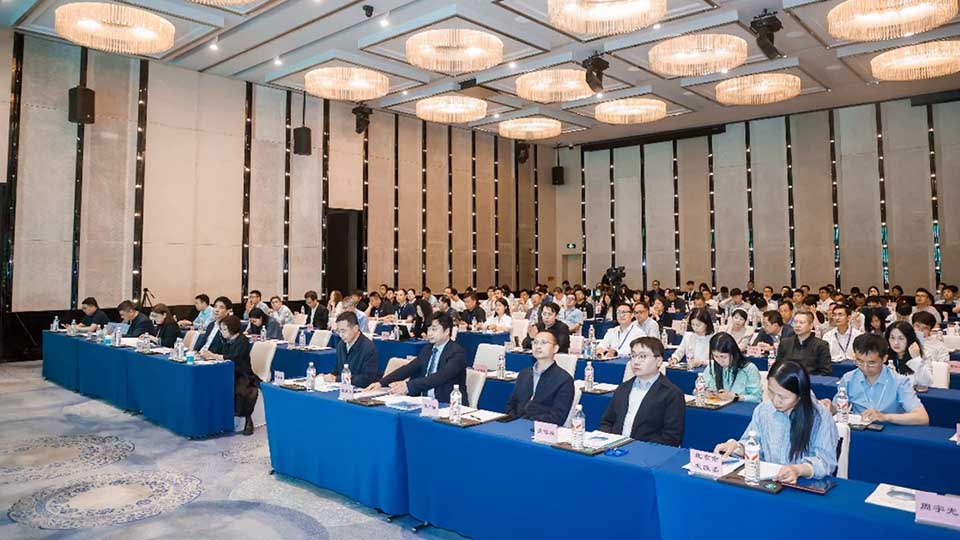
A Special Event of the WIPO GREEN Acceleration Project, held in Beijing on May 12, 2026 brought together policymakers, intellectual property (IP) experts, industry leaders and green technology innovators to mark the launch of a new Progress Review of the Beijing Pilot of the WIPO GREEN Acceleration Project. The event coincided with the 2nd China Greentech IP Management Clinic (IPMC) Closing Ceremony, underscoring the growing role of IP‑enabled collaboration in accelerating the deployment of green technologies at the city level.
The newly released report, Accelerating Green Technology Deployments in Beijing – Progress Review of the Beijing Pilot in WIPO GREEN Acceleration Projects (2021–mid‑2025), documents four years of practical experience from the first WIPO GREEN City Acceleration Pilot in China. It illustrates how structured matchmaking and targeted IP support can translate green innovation into real‑world environmental impact in one of the world’s largest and most complex urban environments.
Launched in 2021, the Beijing Pilot was jointly implemented by Bluetech Clean Air Alliance (BCAA) and WIPO GREEN, with support from the WIPO China Office and Beijing Municipal Intellectual Property Office. As China’s capital and a major center of scientific and technological innovation, Beijing represented a strategic starting point for testing a city‑level acceleration model that integrates technology transfer and IP considerations.
The Beijing Pilot focused on advancing technologies beyond the invention stage toward matching, demonstration and deployment, while also generating lessons applicable to other cities in China and beyond.
A cornerstone of the pilot was a systematic assessment of Beijing’s green development challenges, conducted through expert consultation, stakeholder engagement and data analysis. This process identified three priority areas where technological solutions were most urgently needed:
These challenges provided the basis for technology scouting, matchmaking activities and deployment efforts under the WIPO GREEN acceleration framework.
Between 2021 and mid‑2025, the Beijing Pilot carried out multiple rounds of technology needs assesments and matchmaking sessions. As documented in the progress report, the project achieved 12 formal matches between technology providers and local seekers, leading to three on‑the‑ground deployments.
Implemented solutions included an intelligent energy management system for electric vehicle charging in residential buildings, a decentralized food‑waste treatment system for commercial kitchens and carbon emissions and footprint monitoring systems for green logistics and supply chains. These deployments demonstrate how coordinated matchmaking and stakeholder engagement can reduce adoption barriers and support tangible environmental outcomes at the city scale.
To support effective matchmaking, the Beijing Pilot integrated the Bluetech Carbon Neutrality Pioneers Award as a mechanism for assessing technology credibility and screening candidates. The award evaluates candidate green technologies across innovation, IP competitiveness, low‑carbon benefits, growth potential and team strategy. Between 2022 and 2025, more than 400 technologies applied to the program, with selected technologies contributing directly to matches, deployments and inclusion in WIPO GREEN’s Green Technology Book.
In parallel, the China Greentech IP Management Clinic (IPMC) provided structured IP strategy training and mentoring to 50 selected greentech enterprises from 2024 to 2026. The program delivered customized IP roadmaps and supported early results, including new patent filings, trade secret protection and preparations for international market entry.
As highlighted during the Beijing Special Event, the progress report positions the Beijing Pilot as a replicable reference model for cities seeking to accelerate green technology deployment through IP‑enabled collaboration. Its experience has already informed the expansion of the WIPO GREEN City Acceleration Project to other Chinese cities, including Shanghai.
The Beijing Pilot demonstrates that when IP is embedded into city‑level green innovation strategies, it can serve as a powerful catalyst—connecting innovators with real needs and sustainable solutions.
To learn more about WIPO GREEN’s achievements in Beijing, access the full report.