


July 1, 2026
In Cuncumén, a small community in Chile, farmer Gema Soto had already taken steps to reduce waste, drawing inspiration from traditional rooftop drying to turn surplus fruit into a value-added product. While effective in principle, the method remained highly vulnerable to weather and contamination. When rain or poor conditions undid days of work, it became clear that improvement was needed. That is when she was invited to participate in the WIPO GREEN Acceleration Project.
Driven by a mix of necessity, curiosity and a growing awareness of environmental sustainability, Gema started rethinking how she and her community could do better. What began as casual conversations and informal exchanges among neighbors gradually grew into a purposeful collaboration. Motivated by shared challenges and aspirations, a small group of women joined forces to explore improved methods for producing and selling dehydrated fruit.
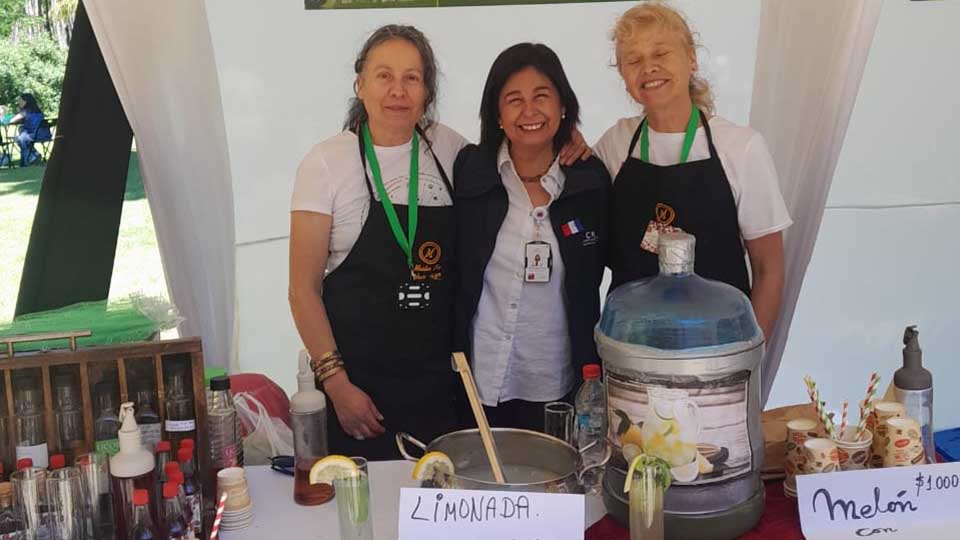
Through the WIPO GREEN Acceleration Project, this need was carefully analyzed and matched with a solution developed by Prof. Jaime Espinoza S. and Enertech Ltda., a company with strong links to academic research. The connection, facilitated by IALE Tecnología Chile, brought together Gema Soto and a technology provider whose approach responded directly to the limitations she had already identified. The solution was a solar-powered dehydrator.
Unlike traditional rooftop drying, the adoption of solar-powered dehydration technology brought significant benefits. The method provided greater control over the drying process, improved hygiene and ensured reliable results. Operating much like an oven powered entirely by the sun, it allowed for consistent quality in the finished products.
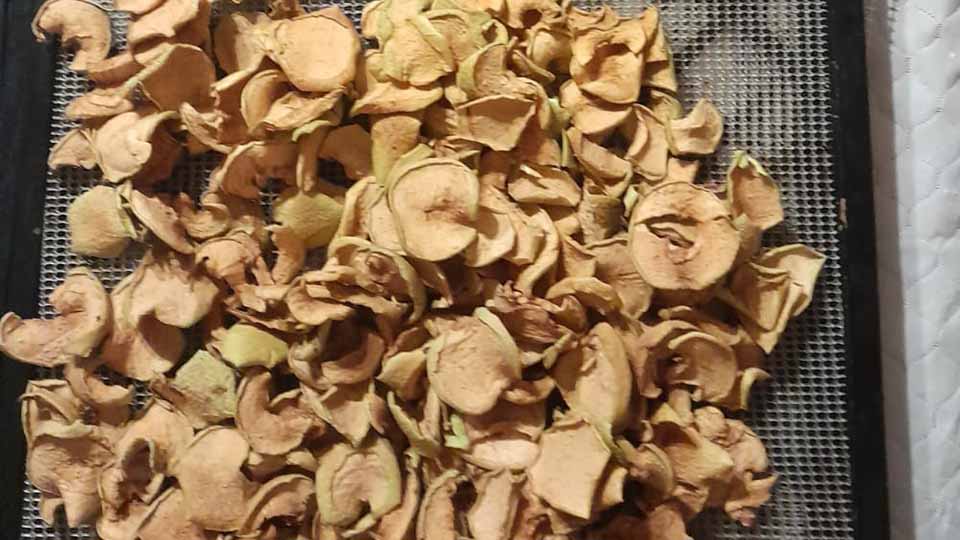
This was not the first time Gema and her neighbors had tried to innovate. They had already experimented with simple adaptations, but these efforts came with their own limitations. As Gema recalled, “We used wooden boards about three meters long to dry the fruit, but when night fell, we had to gather everything again, which meant a lot of extra work.” The new technology strengthened producers’ own efforts to improve drying practices and made experimentation more reliable.
This connection highlights an often-overlooked aspect of innovation: it does not begin with technology, but with people like Gema who are already exploring new ways of doing things. WIPO GREEN matchmaking works by bringing these efforts together.
After producing their first successful batch of dehydrated products, the group brought their offerings directly to local customers. “At a local fair, we brought cold tea made from our dried fruits just for ourselves, but people kept asking to buy it, and that’s how we discovered a new product.”
Recognizing the importance of a unified identity, the group soon formally established themselves as “Las 3 Marías.” With this new sense of purpose, they launched their brand, “Tesano,” a name that plays on the Spanish words for "tea" (té), “healthy” (sano) and "I heal you" (te sano). This step marked a significant milestone in their journey, as they transitioned from informal collaboration to a recognized presence in the market.
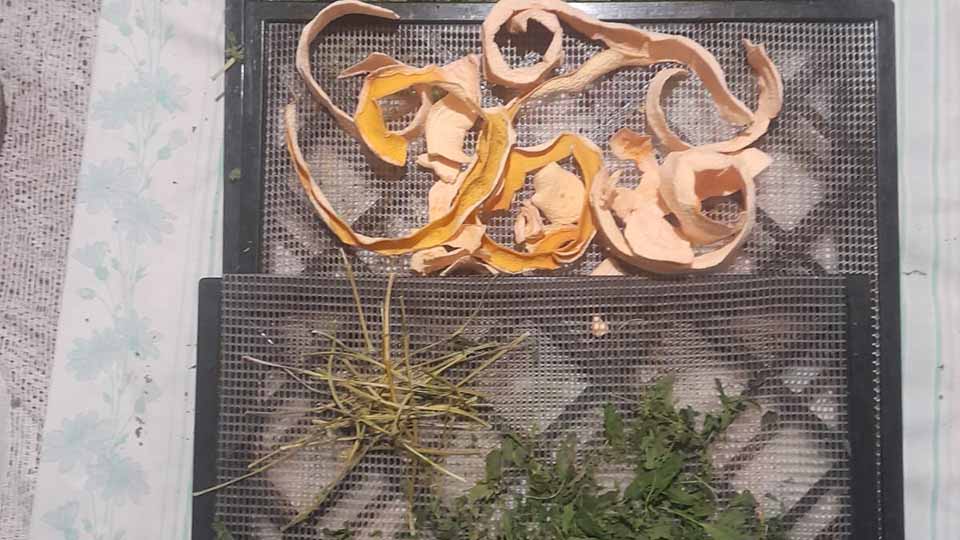
Their product line expanded from herbal infusions to dehydrated fruits and vegetables, including pumpkin for soups and fruit snacks. This diversification not only increased income opportunities but also strengthened their identity in competitive markets
In a sector where women often encounter obstacles to leadership roles, the initiative has opened up new opportunities. By selling products at local fairs, overseeing production and establishing a brand identity, these women gained greater visibility, developed confidence and found their collective voice.
For them, sustainability has become more than a method. It now represents a deliberate and strategic message that defines their identity and direction. By adopting solar energy, they demonstrate a commitment to environmentally friendly practices, which align with the values and expectations of many contemporary consumers.
Looking to the future, Gema encourages other women to remain curious, trust hands-on learning and innovate, even if that means starting with just a few neighbors and a simple idea.
WIPO GREEN is a platform that advances innovation and facilitates the global spread of environmentally friendly technologies by connecting technology and service providers with those seeking innovative solutions. The Database of Innovative Technologies and Needs is an open-access, online marketplace that connects environmental or climate-related challenges and needs with tangible solutions. The database includes needs and market-ready solutions, green technology patents, curated content from leading partner organizations, relevant knowledge resources and profiles of experts and companies. Through its database, network, acceleration projects and the WIPO flagship publication Green Technology Book, WIPO GREEN brings together key players to catalyze green technology innovation and diffusion.